
 Our top pick
Helicopter flight from Cannes to Monaco or from Monaco to Cannes
Van transfer to Cannes and Monaco
From$1,338 /group
See dates and book Free cancellation
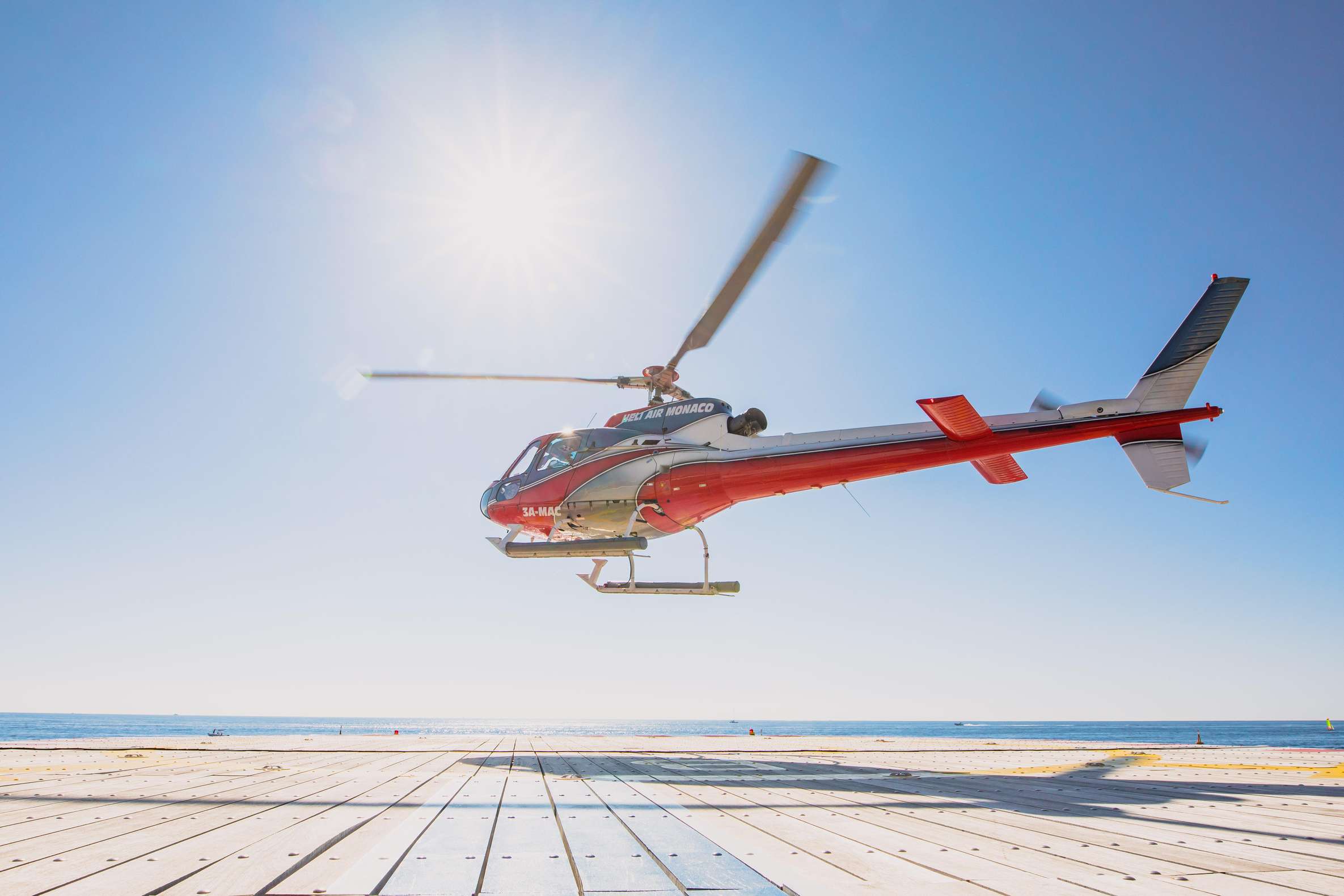
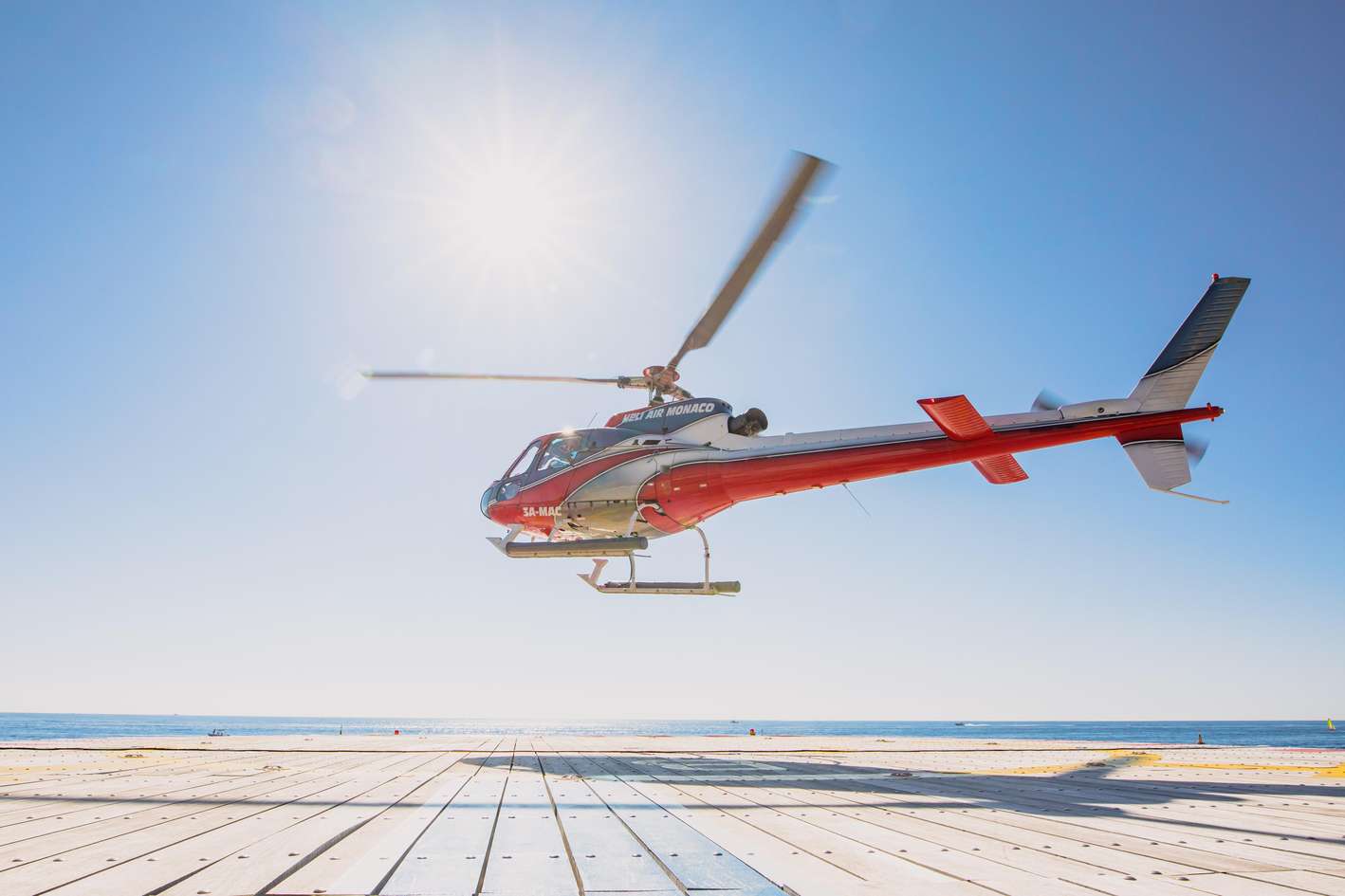
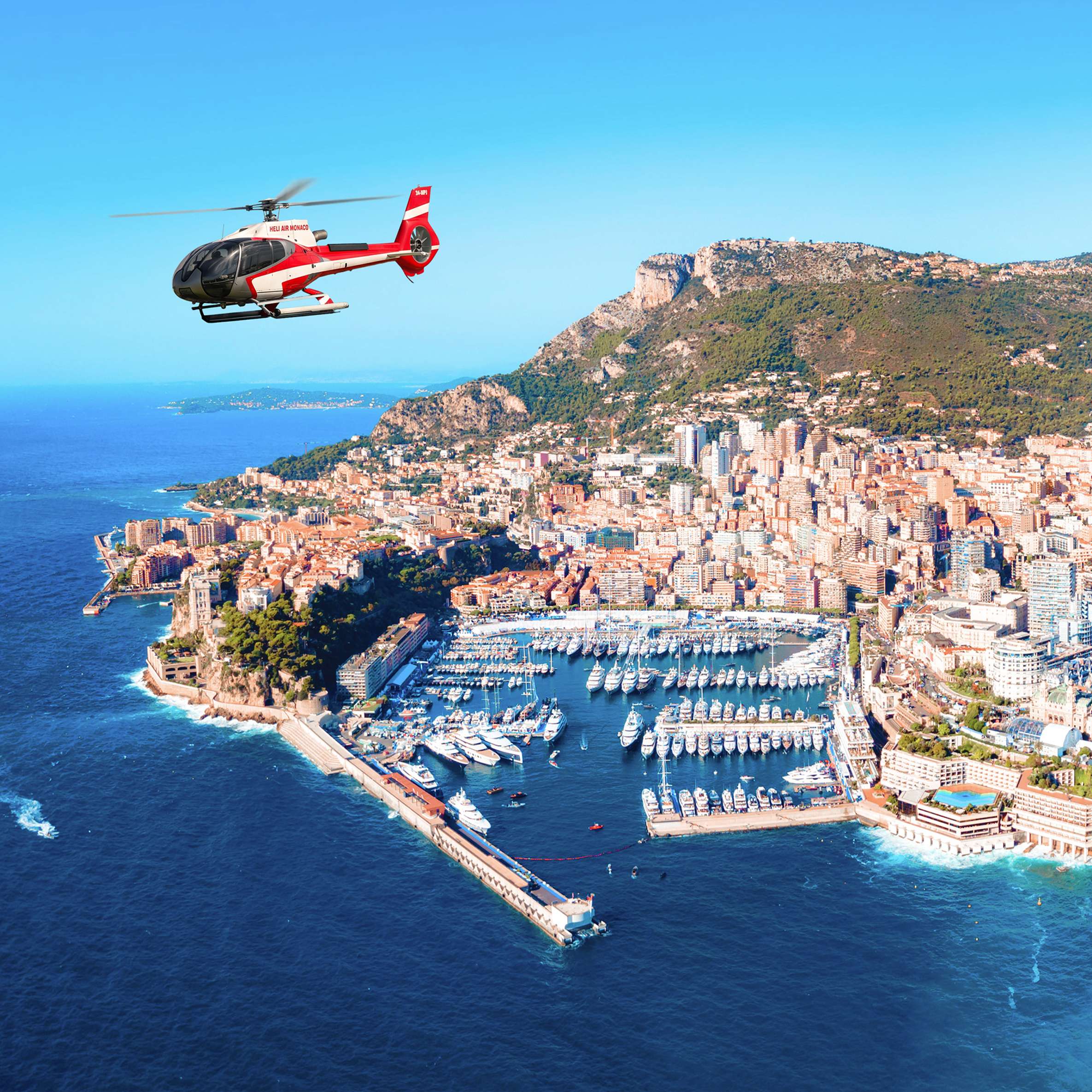
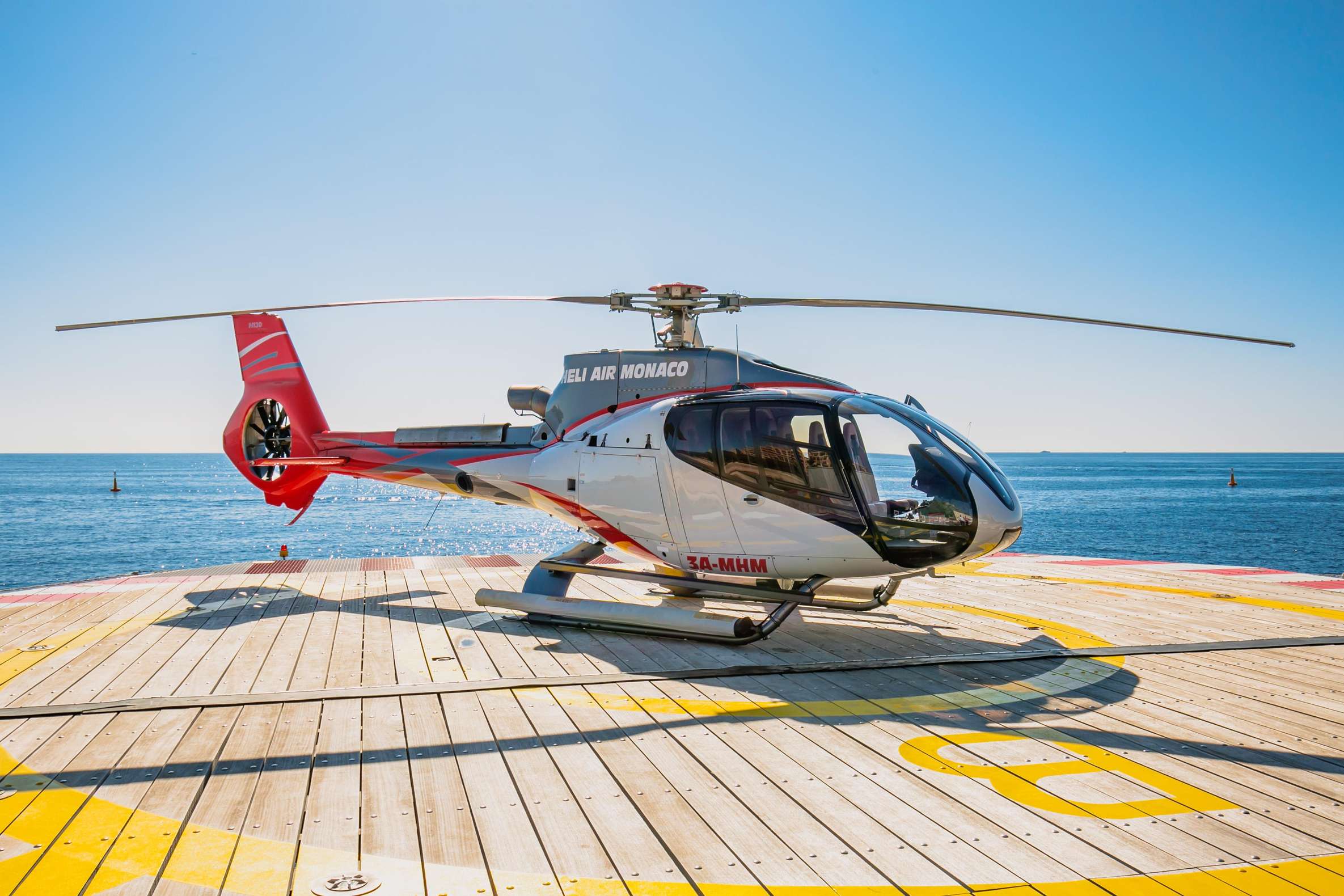
Skip the two-hour drive and land in Monte Carlo before your coffee cools. Book a private helicopter from Cannes to Monaco - 15 minutes over the coast, passports in hand, wheels down in Fontvieille. A driver waits on the tarmac, so the whole Riviera crossing fits inside an afternoon nap.
Every tour here is a private charter of the whole helicopter between Cannes and Monaco. The direct transfer crosses the 44-kilometre coastline in about 15 minutes, while the scenic flight takes 45 minutes and detours along the way.
Our top pick
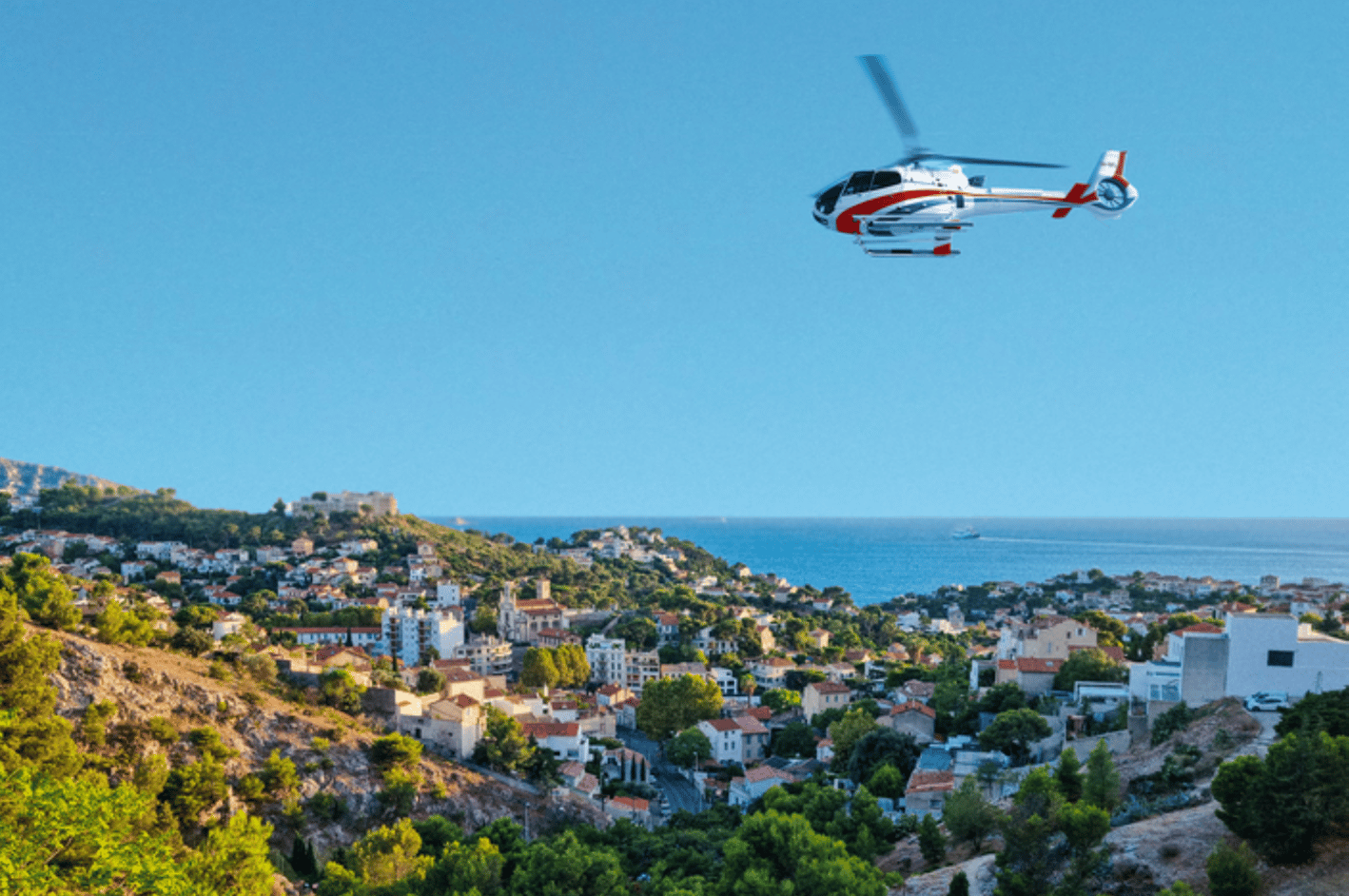
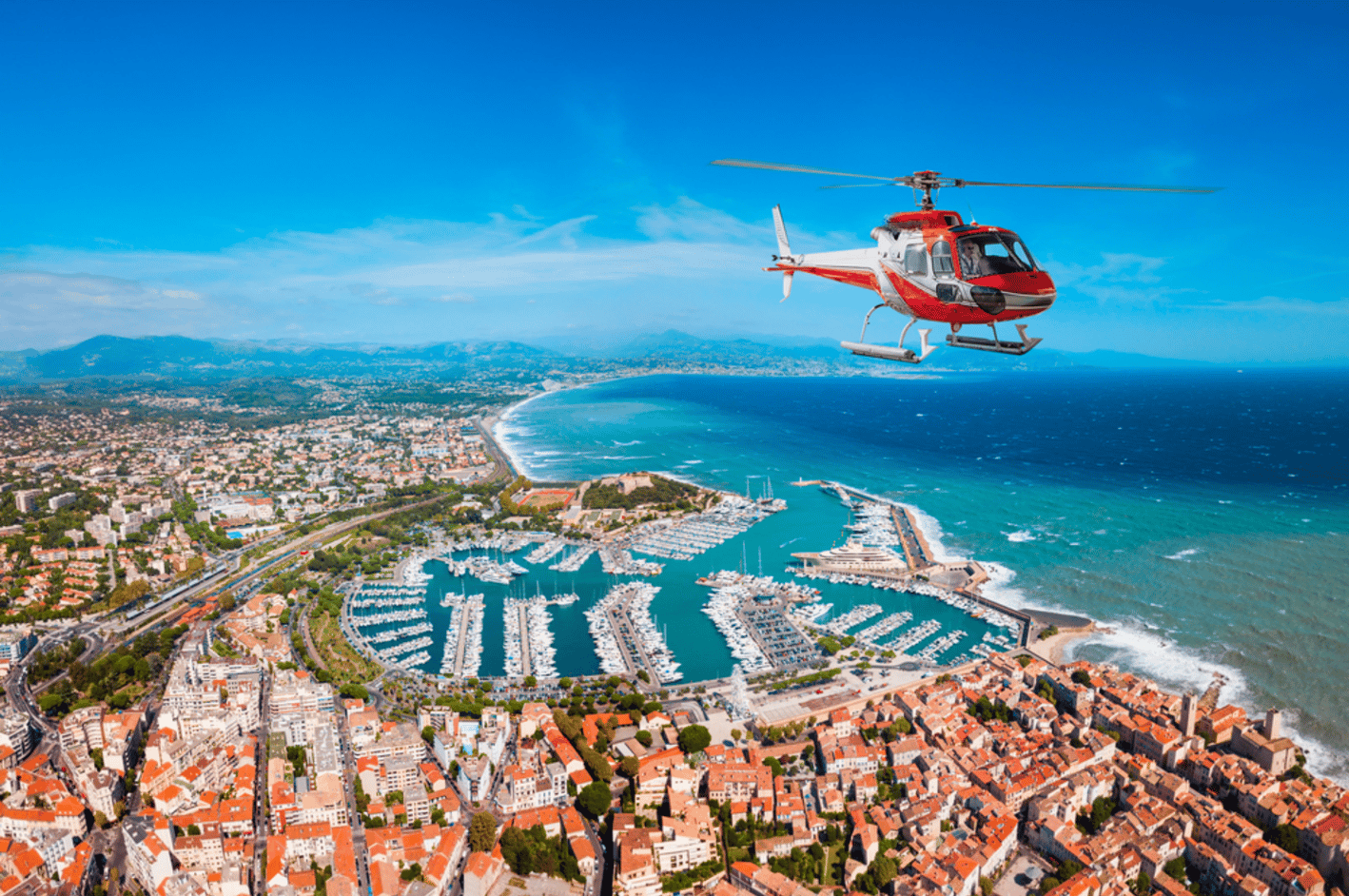
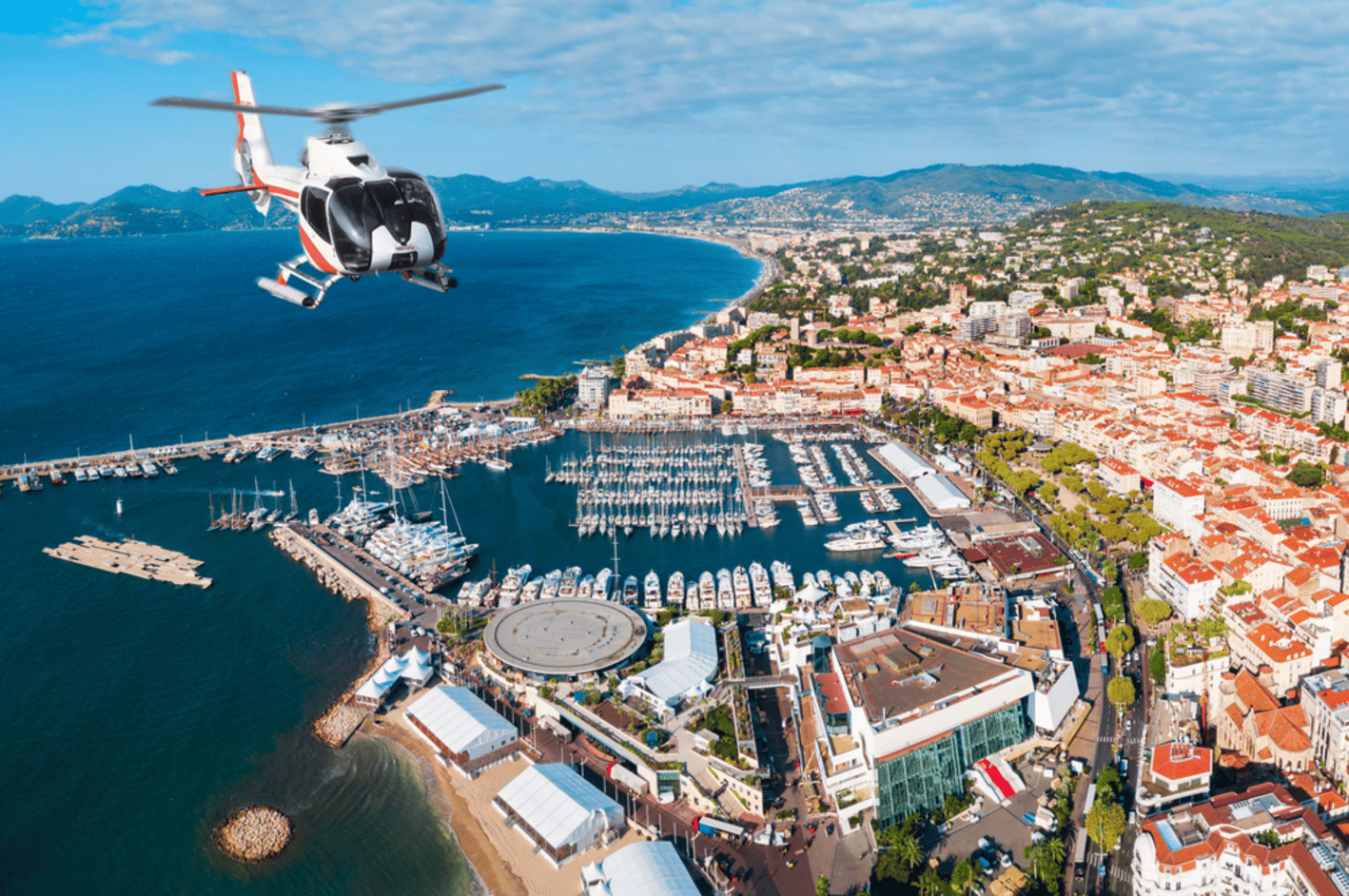
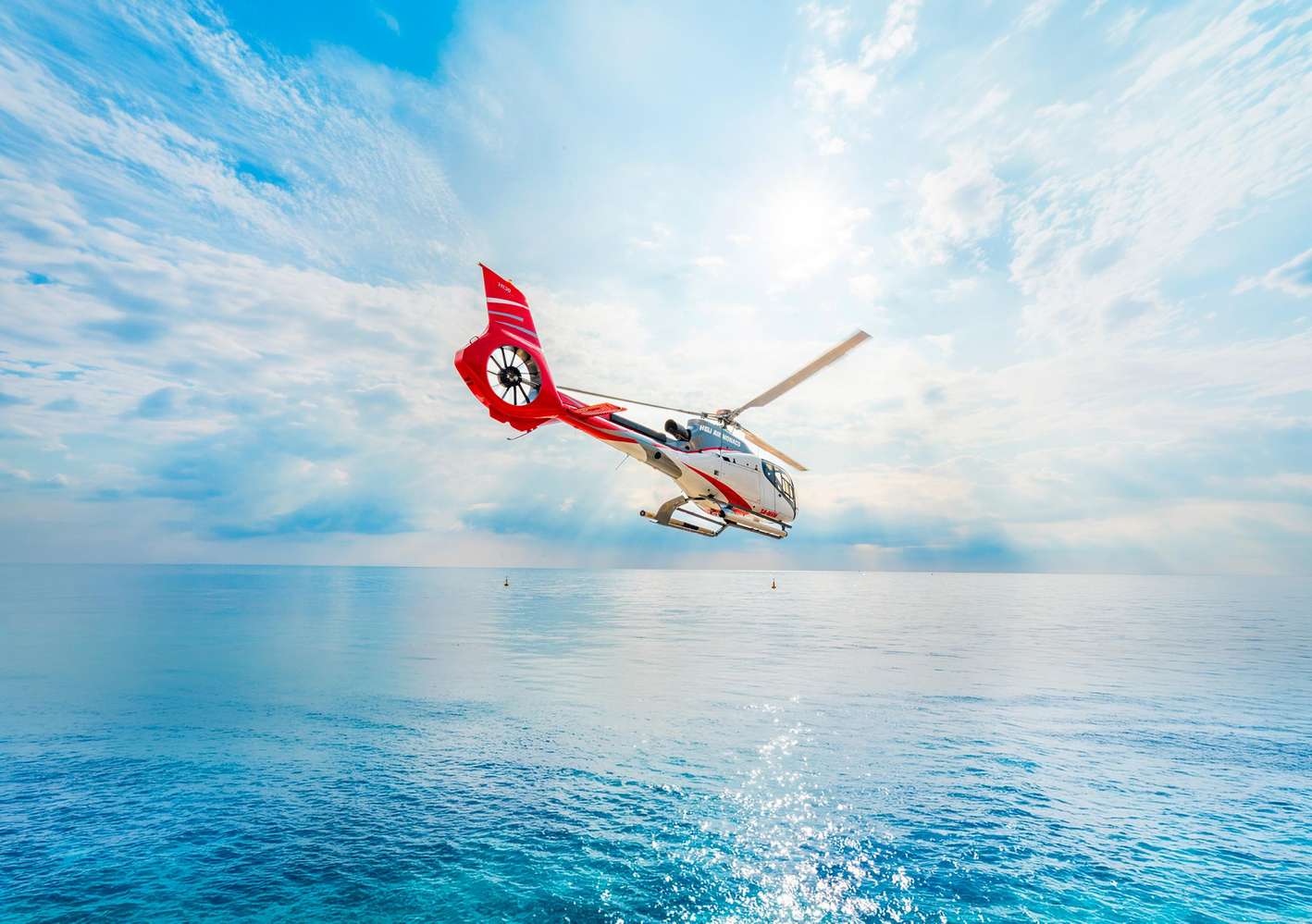
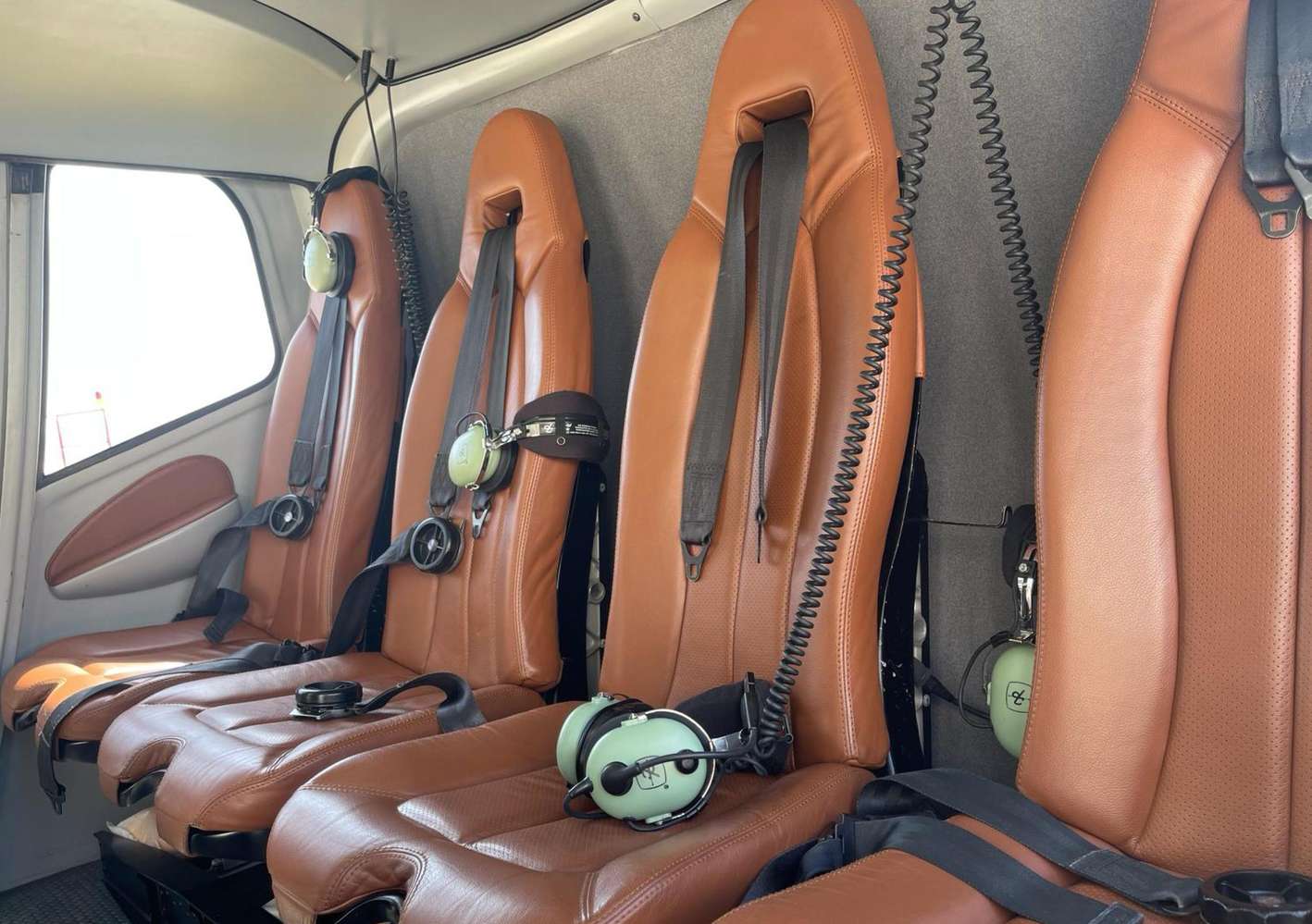
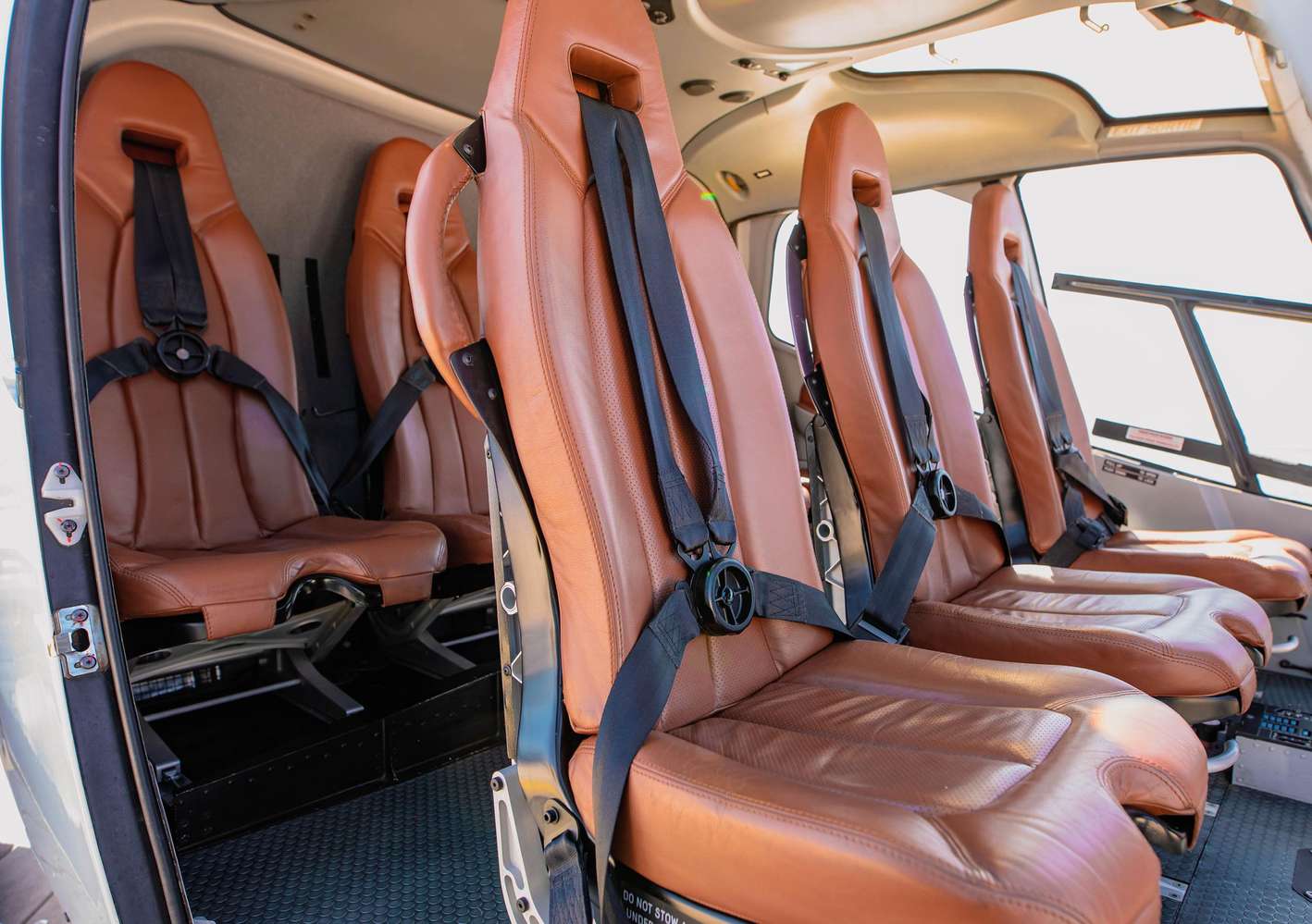
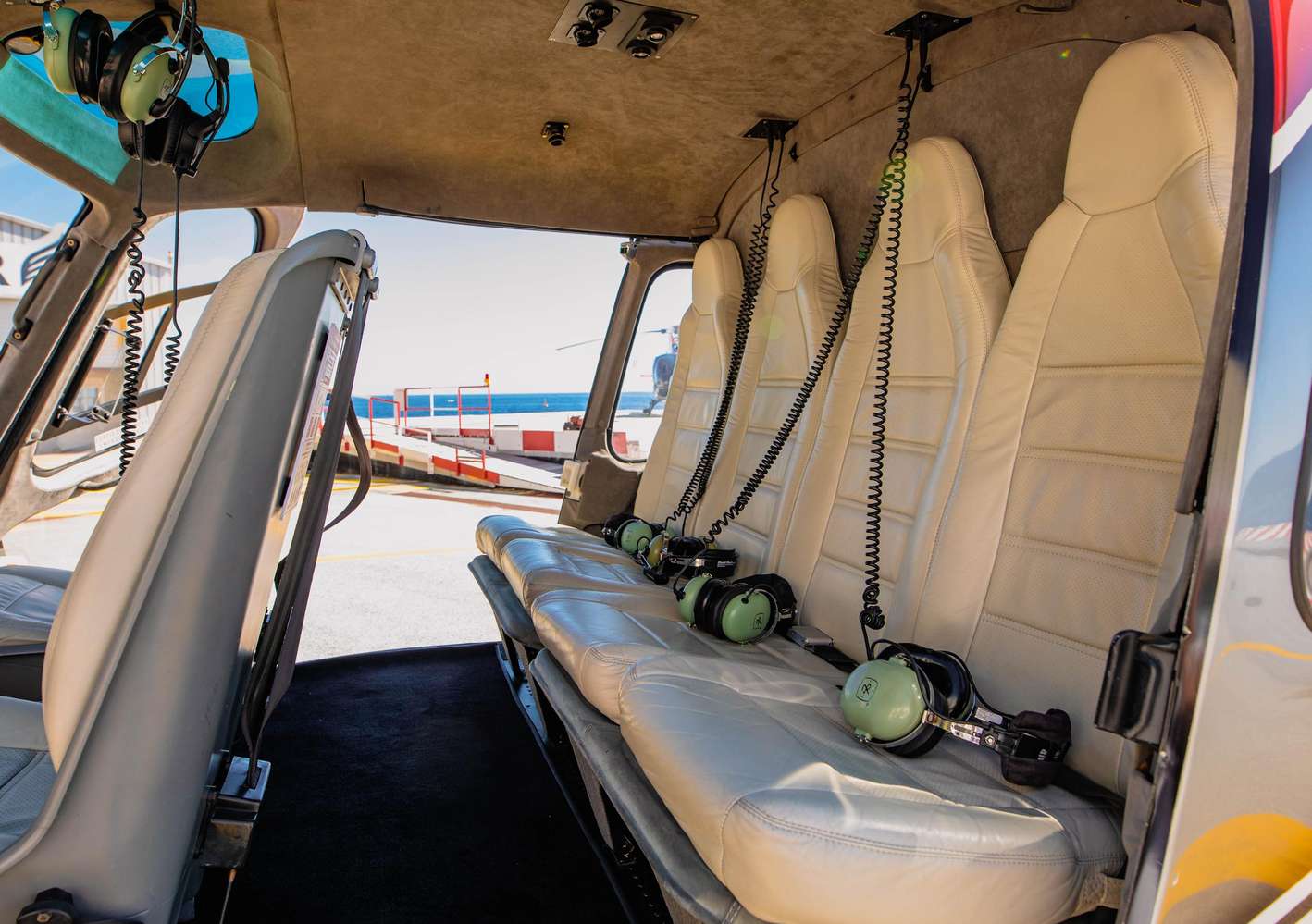
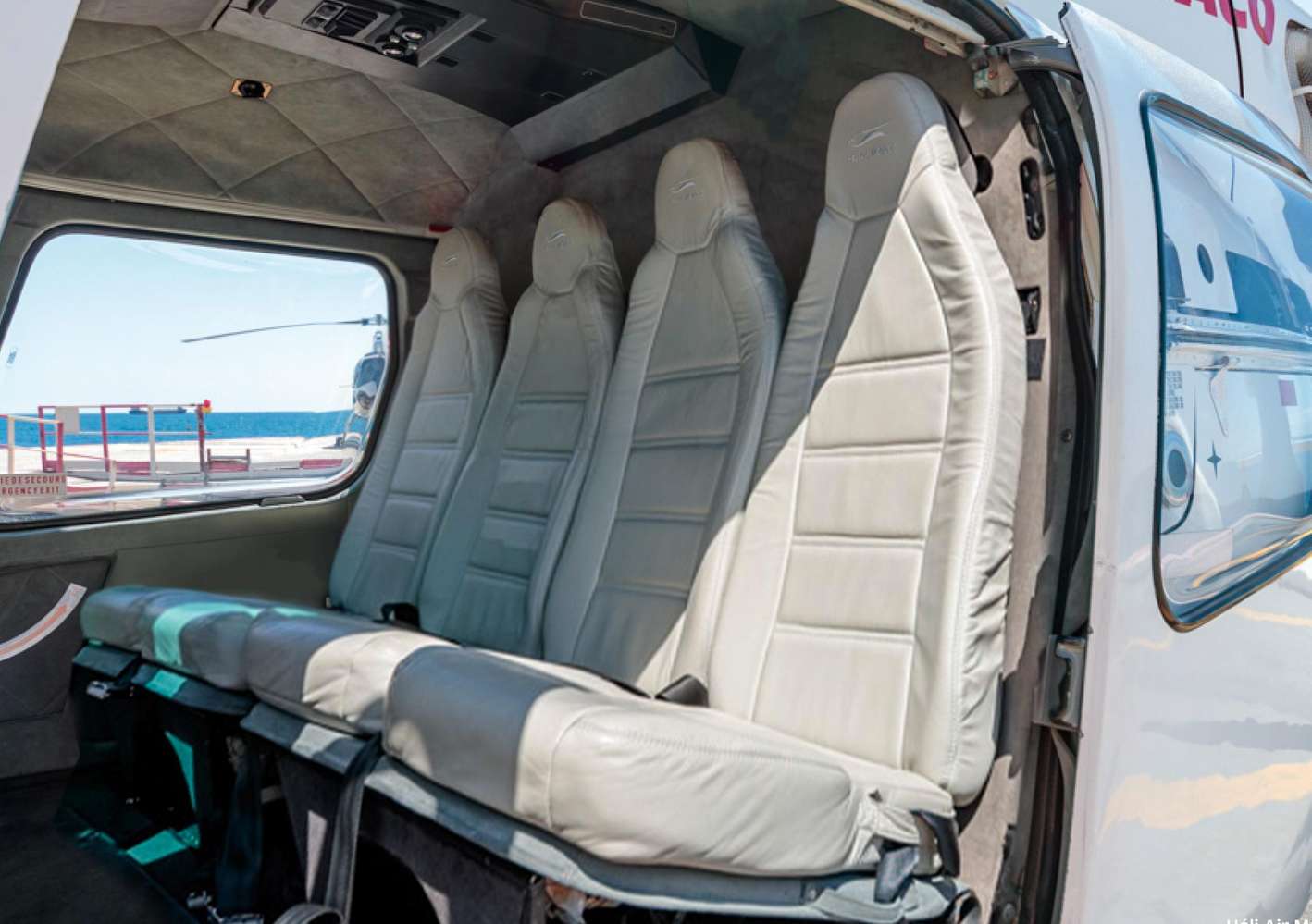
no customs checks France to Monaco
Decide first whether you want a direct 15-minute transfer or the 45-minute scenic route that adds the coastline, Eze and Cap Ferrat. Both run Cannes to Monaco, and the transfer also runs the reverse way if your return leg differs.
Pro tipIf you fly into Monaco instead, the one-way option from Monaco lets you start the trip by air and drive back at your own pace
Pick a slot around 1 to 2 hours after sunrise if you want the smoothest air and clean light on the coastline, or late afternoon for warmer colours. Avoid the middle of the day, when coastal thermals make the 10 to 15 minutes of flying bumpier.
Complete the booking and check the cancellation terms before you pay: the flights on this route let you cancel up to 24 hours in advance for a full refund, so a weather-scuttled day does not cost you the booking.
Have a passport or, for EU citizens, an official photo ID card ready, since check-in requires an original identity document. Driver's licenses are not accepted at Cannes-Mandelieu.
Pro tipNo customs or immigration formalities apply between France and Monaco, so the check-in is quick once your ID is checked
Arrive early enough for check-in, identity checks and the safety briefing: about 30 minutes before departure for flights leaving Cannes-Mandelieu, and at least 15 minutes at the Cannes helipad. Confirm the exact departure point when you book, since this route uses both.
Common mistakeShowing up with a big suitcase, since scenic flights take handbags only and transfers cap you at one standard bag
Monaco sits about 44 kilometres east of Cannes, and a helicopter covers the whole coast in 10 to 15 minutes of flight time.
By road the A8 autoroute takes 55 to 75 minutes, stretching past 1 hour 15 in peak summer traffic, and the TER train runs the coastal line in about 1 hour 6 minutes.
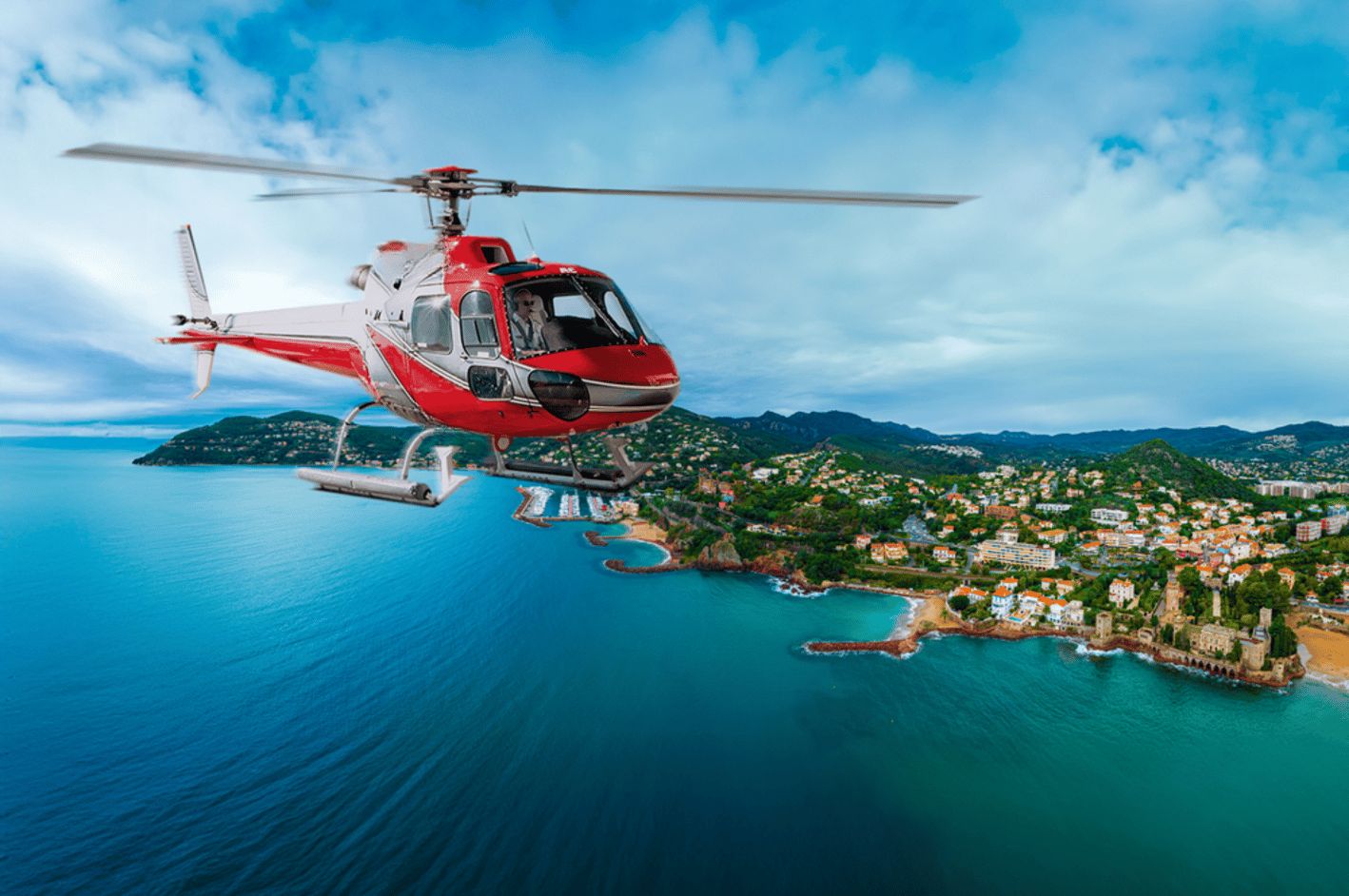
What decides the choice is how much of the view you want along the way. The direct transfer follows the coastline past Cap d'Antibes, the Bay of Nice, the cliffs of Mont Boron and Villefranche Bay, with Saint-Jean-Cap-Ferrat and Èze on the approach. The 45-minute scenic flight adds Antibes and Mougins before turning for Monaco.
You land at Monaco Heliport in Fontvieille, at the western end of the principality, where taxis and CAM bus line 6 wait outside. A taxi reaches the Casino Square area in about 10 minutes outside rush hour.
You need a passport or EU photo ID to board a helicopter from Cannes to Monaco, and driver's licenses are not accepted as valid identification.
Check your passport or identity card before booking day. Travelers whose nationality requires a Schengen visa for France should arrange one, since it also covers entry to Monaco.
arrive 30 min early at mandelieu, 15 at the helipad
Four ways cover the same stretch of coast, and only one is measured in minutes. A private helicopter flight schedules at 15 minutes across 44 km.
Driving to the heliport by road takes about 75 minutes without traffic, and the direct TER train averages 1 hour 6 minutes to Monaco-Monte-Carlo station, with the onward trip not included in that figure.
Bus connections take the best part of two hours, but every one of them needs a change; there is no direct bus, which is why the real race on this route is run by three options.
The train is the honest rival. The car earns its keep when you are heading to an address the rail line ignores. What the helicopter does that neither can is turn the transfer into the part of the day people remember, with the whole coast unrolled beneath you.
| Travel Time & Reliability | Departure & Arrival Terminals | Luggage Space & Weight Rules | Aerial Scenery & Sights | Weather Disruption & Contingency | |
|---|---|---|---|---|---|
| Direct Point-to-Point Helicopter Transfer | 10 to 15 minutes flight time | Cannes-Mandelieu or Quai du Large | One bag, 21-23 kg plus small bag | Mediterranean coastline, Cap Ferrat | Grounded by poor visibility/mistral |
| Extended Coastal Scenic Flight | 45 minutes flight time | Cannes (Tour starting point) | Only personal handbags, no luggage | St. Jean-Cap-Ferrat, Villefranche | Delay risk: mid-autumn through winter |
| Private Chauffeur Ground Transfer | not known | Central Cannes to Fontvieille | not known | Via A8 motorway or coastal bypass | not known |
| TER Regional Coastal Train | 1 to 1h 6 minutes average | Cannes to Monaco-Monte-Carlo station | not known | Coastal rail line views | not known |
If you have luggage to check and a fixed arrival time, the direct transfer wins outright. If the crossing itself is the point, the scenic routing earns its extra half hour. Travelling solo and light, the train costs you nothing but an hour.
The numbers that decide the day sit side by side here. A direct helicopter flight from Cannes to Monaco takes 10 to 15 minutes along the coastline, typically scheduled at 15 across the 44-kilometre route.
Driving the A8 autoroute takes 55 to 75 minutes, and in peak summer traffic that stretches to about 1 hour 15, because the motorway runs inland north of Antibes and Nice before it drops down to Monaco.
A private chauffeur transfer by road follows the same pattern: 45 to 60 minutes in smooth traffic, closer to an hour and a quarter on late-afternoon rush hours, Friday evenings and July or August afternoons. May is its own story, when the Film Festival and the Grand Prix close streets and swallow buffers.
Flight times vary a little with the wind, air traffic routings along Cap d'Antibes and Cap Ferrat, and the aircraft type.
The Helicopter flight from Cannes to Monaco or from Monaco to Cannes books the crossing as a private charter in both directions, with a van transfer and two pieces of carry-on plus two checked bags included.
The direct TER train leaves Cannes station and reaches Monaco-Monte-Carlo in about 1 hour 6 minutes, with the fastest services doing it in 1 hour 2. Trains run every 15 minutes from roughly 5:45 am to 10 pm, then every 30 minutes into the late evening, so the timetable never really forces a plan.
Arrival is the part to think about. Monaco-Monte-Carlo station sits underground in the Condamine district, with exits serving Monte-Carlo, La Condamine, Fontvieille and Monaco-Ville, linked by escalators and passageways.
The Monte-Carlo exit at Pont Sainte-Dévote has lift access, and there are taxi ranks and a tourist office point inside. With heavy cases, the walk from platform to street to hotel is the hidden cost that the helicopter, landing at street level in Fontvieille, simply deletes.
The rail line and the A8 both hug the coast for views, but from ground level the scenery arrives in glimpses between stations. From the air, the same shoreline runs past without a break.
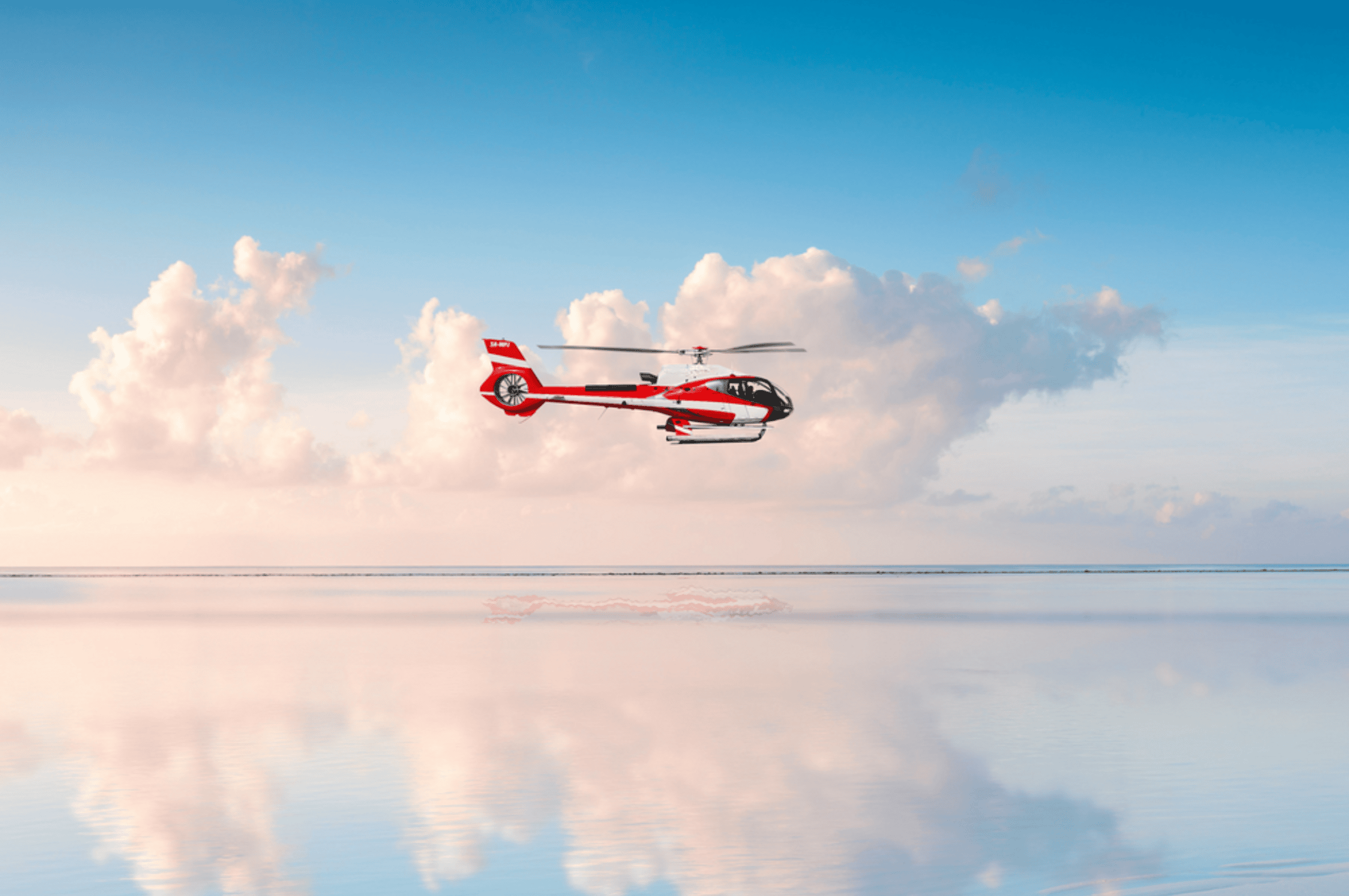
Two departure points serve flights out of Cannes, and they are a world apart in feel. Cannes-Mandelieu Airport sits about 6 kilometres by road from the Palais des Festivals, outside central Cannes, handling business jets, private aircraft and helicopters.
The Quai du Large helipad sits in the Old Port, at the end of Quai Max Laubeuf, within walking distance of central hotels. Confirm which one your flight uses when you book.
Check-in buffers differ by departure point. At the Cannes helipad, arrive at least 15 minutes before take-off for check-in, identity checks and the safety briefing.
Panoramic flights from Cannes and Cannes-Mandelieu generally ask for 30 minutes before departure, one operator specifies 25, and the Old Port heliport advises 20 to 30 minutes. Build the buffer into the morning and the rest runs itself.
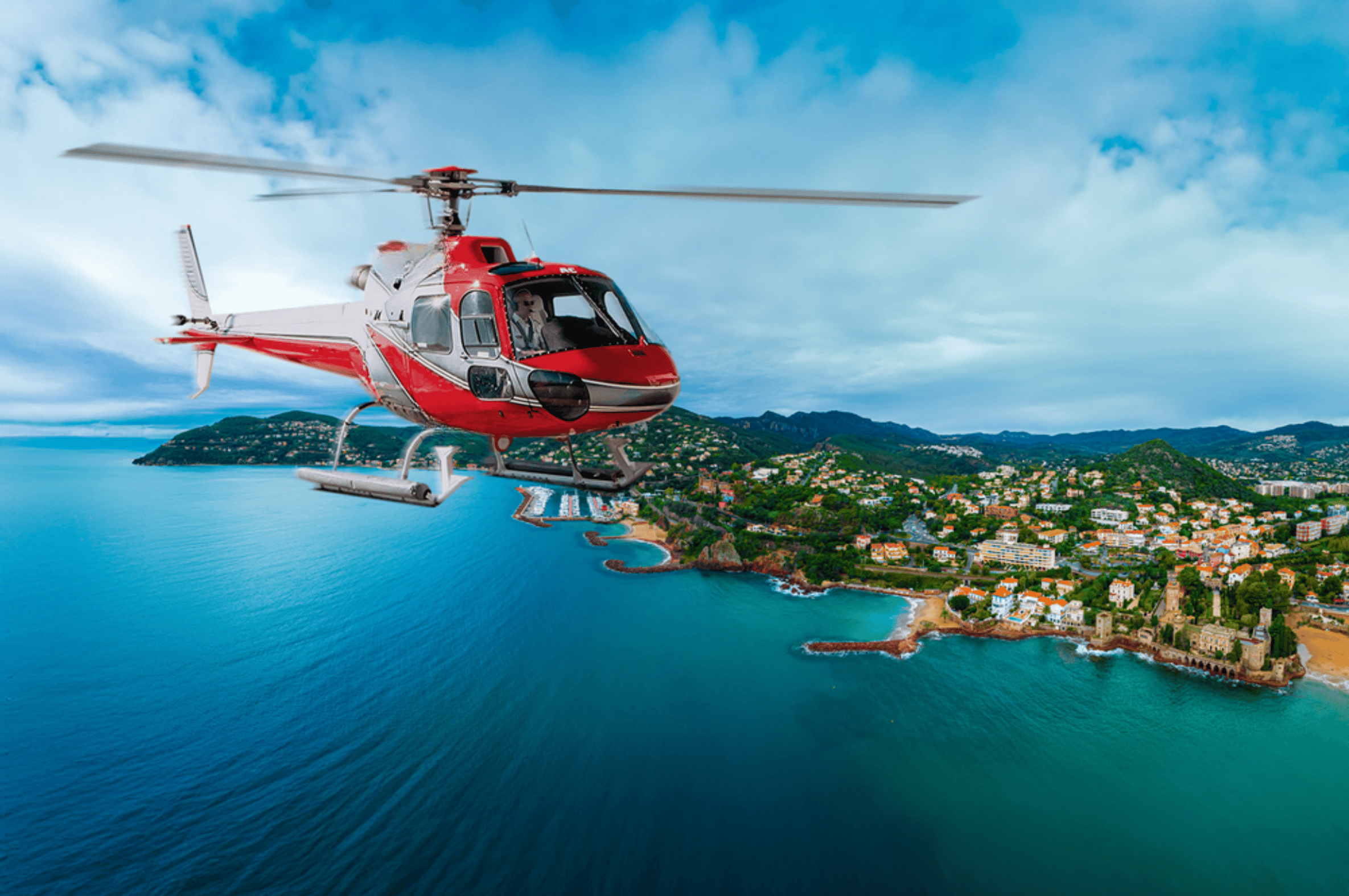
The 45-Minute Scenic Flight from Cannes to Monaco turns the transfer into the trip. Where the direct routing hops the coast in a quarter of an hour, this one circles the Riviera for 45 minutes of flying, and the difference is everything it passes on the way.
The flight runs the Cannes peninsula and the old town of Antibes, Marina Baie des Anges and the Bay of Nice, the cliffs of Mont Boron, then Villefranche Bay and the Saint-Jean-Cap-Ferrat peninsula.
Beaulieu-sur-Mer passes below, then the village of Èze with its small marina, before the Bay of Beaulieu opens toward Monaco. Farther east, the Bay of Roquebrune-Cap-Martin and Menton sit on the horizon, and Monaco's Oceanographic Museum is visible from the air.
It carries no checked luggage at all, only personal handbags, so it suits travellers who send bags ahead or travel light
Check the departure point when you book; this flight and the direct transfers do not share a terminal
Tell the team in advance if a child under 2 is coming, so seating can be organized
The operator runs it aboard one of four helicopters with personalized assistance from briefing to landing, and it is accessible to people with reduced mobility when told at booking. For families, the extra half hour is the price of seeing the coast the direct route only glimpses.
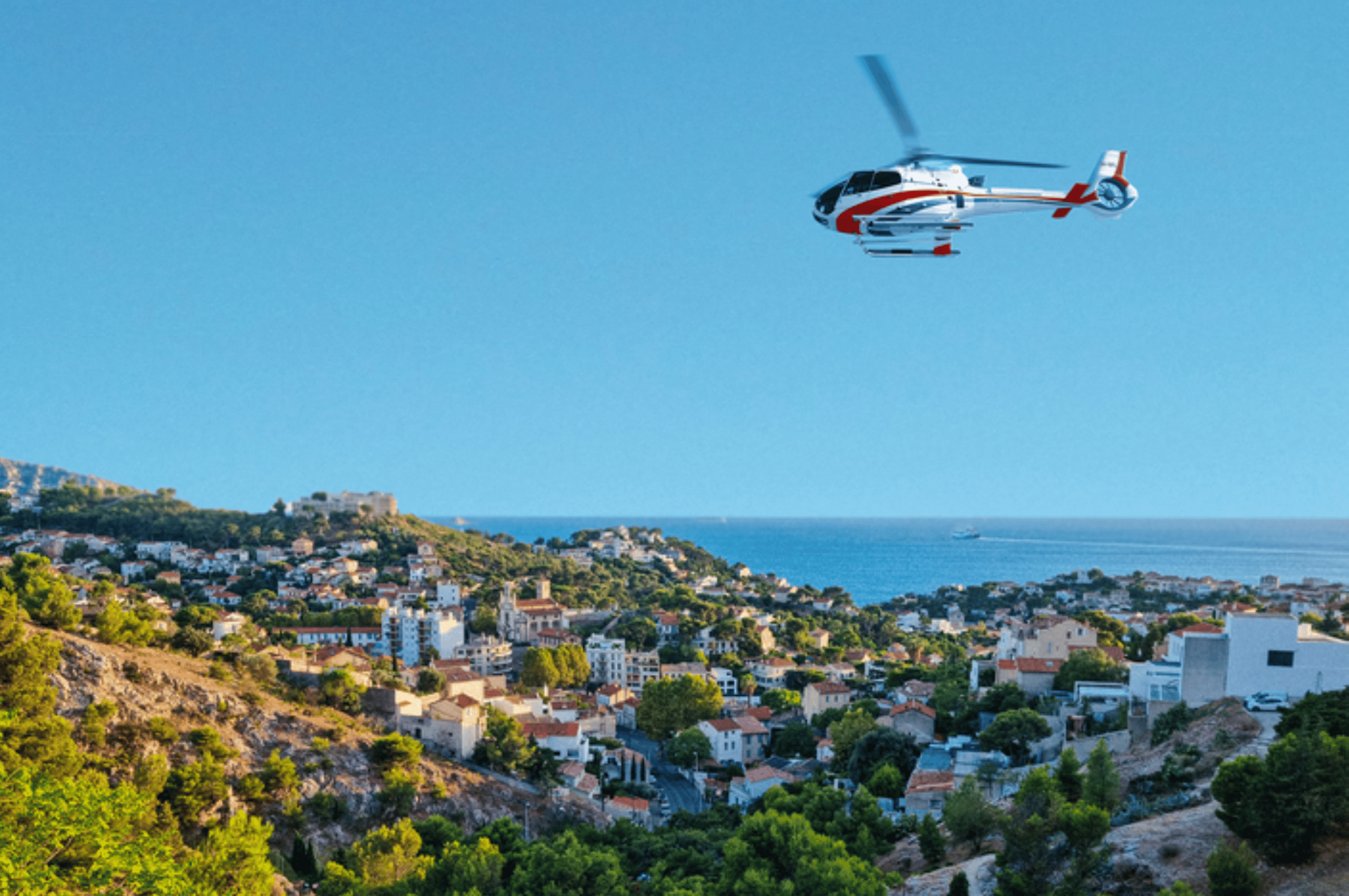
Luggage is where transfer passengers get caught out. Scenic flights departing Cannes allow only personal handbags on board, with no luggage included. Transfer flights take one standard piece of checked luggage weighing up to 21 to 23 kg, typically 60 × 45 × 25 cm, plus one small handbag.
Soft-sided bags win because the holds are shaped around them. Checked dimensions on the route are typically capped at 50 × 25 × 25 cm for small cabin bags, and when a bag exceeds the hold's capacity or the aircraft's weight limits, it cannot board.
Excess luggage travels separately by road in a ground transfer vehicle, which matters if you are meeting a hotel check-in on the other side.
Weight is a number the crew plans the aircraft around. Operators collect each passenger's weight at booking to balance the payload, with individual limits typically between 91 and 100 kg depending on the helicopter model. If the balance demands it, you may be asked to change seats, shift luggage or take a different flight time.
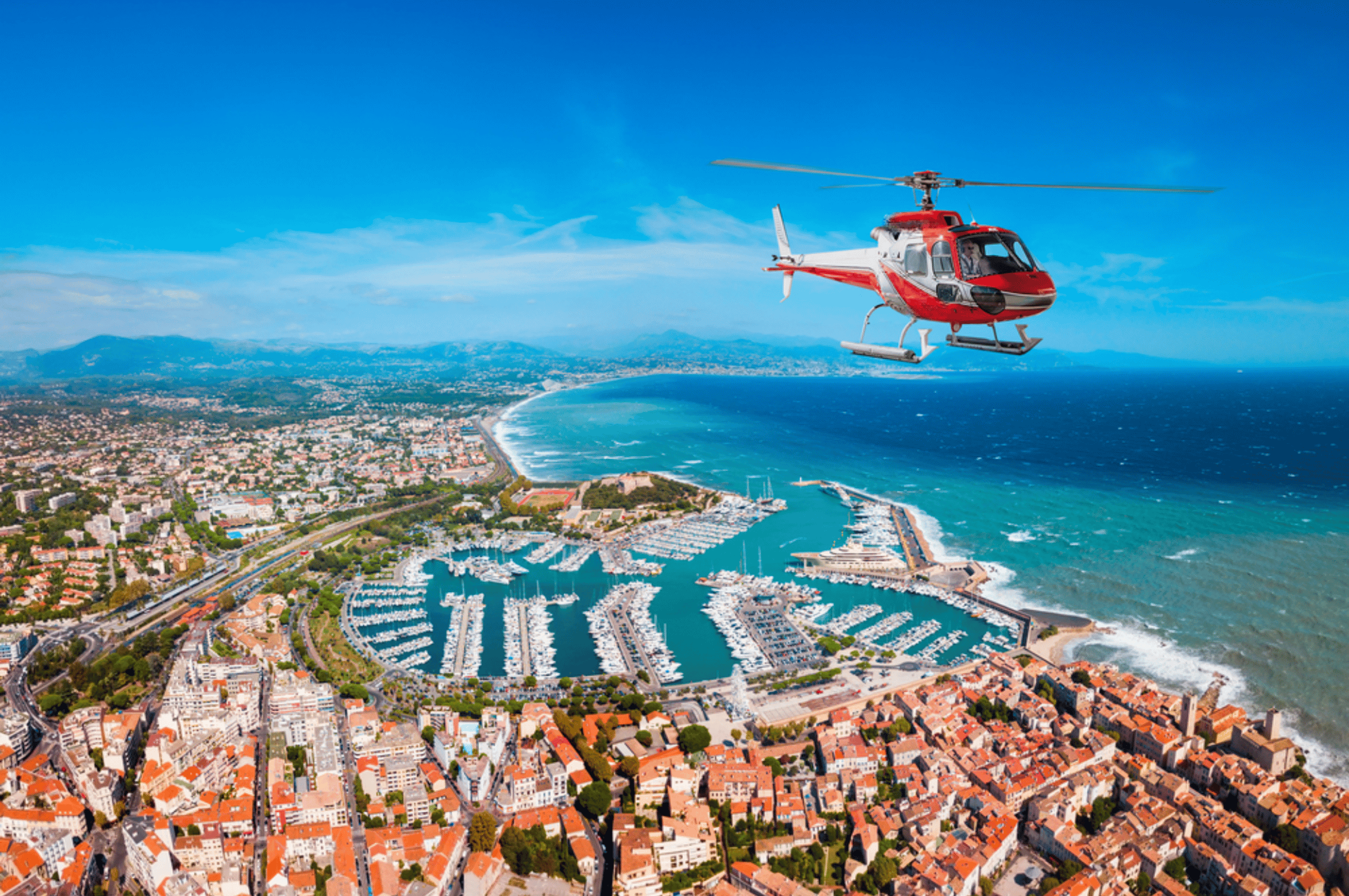
Coastal flights here run year-round under visual flight rules, and the season decides how often the sky says no. Summer brings clear skies and dry days, though afternoon heat thermals roughen the air and the coastal airspace fills up.
Spring and September fly the smoothest, with mild temperatures and manageable breezes. From mid-autumn through winter the risk climbs: rain peaks in October, morning fog and low cloud appear, and the northwest Mistral drives severe turbulence along the coast.
July: highs around 32.3°C. Peak summer brings hot 32°C days, minimal rain, and busy airspace, making morning departures the smoothest option.
Tap a month to read it.
March: 1.6 windy days. Early spring sees warming days near 16.5°C and increasing sunshine, with manageable coastal breezes and low visitor traffic.
Tap a month to read it.
October: 121 mm of rain. Mild 23°C weather continues, but rainfall jumps sharply to 121 mm, raising the chance of rain delays and low cloud ceilings.
Tap a month to read it.
July: 28.6 dry days. Peak summer brings hot 32°C days, minimal rain, and busy airspace, making morning departures the smoothest option.
Tap a month to read it.
What the monthly figures mean for your booking: October's rain peak and the winter wind days are the months where a backup plan earns its keep, while July and August give near-guaranteed flying weather with bumpy afternoons.
There is no single published wind speed that grounds the route; decisions come case by case. Near Cannes, west or northwest winds above about 10 knots can stir strong turbulence by the airport. Transfers fly when visibility holds at 5 km or better with a 1,500 ft cloud ceiling by day.
And if conditions do close in, the safety net is firm: operators arrange alternative road transport or issue a full refund to your card. A grounded flight costs you the morning; the booking survives.
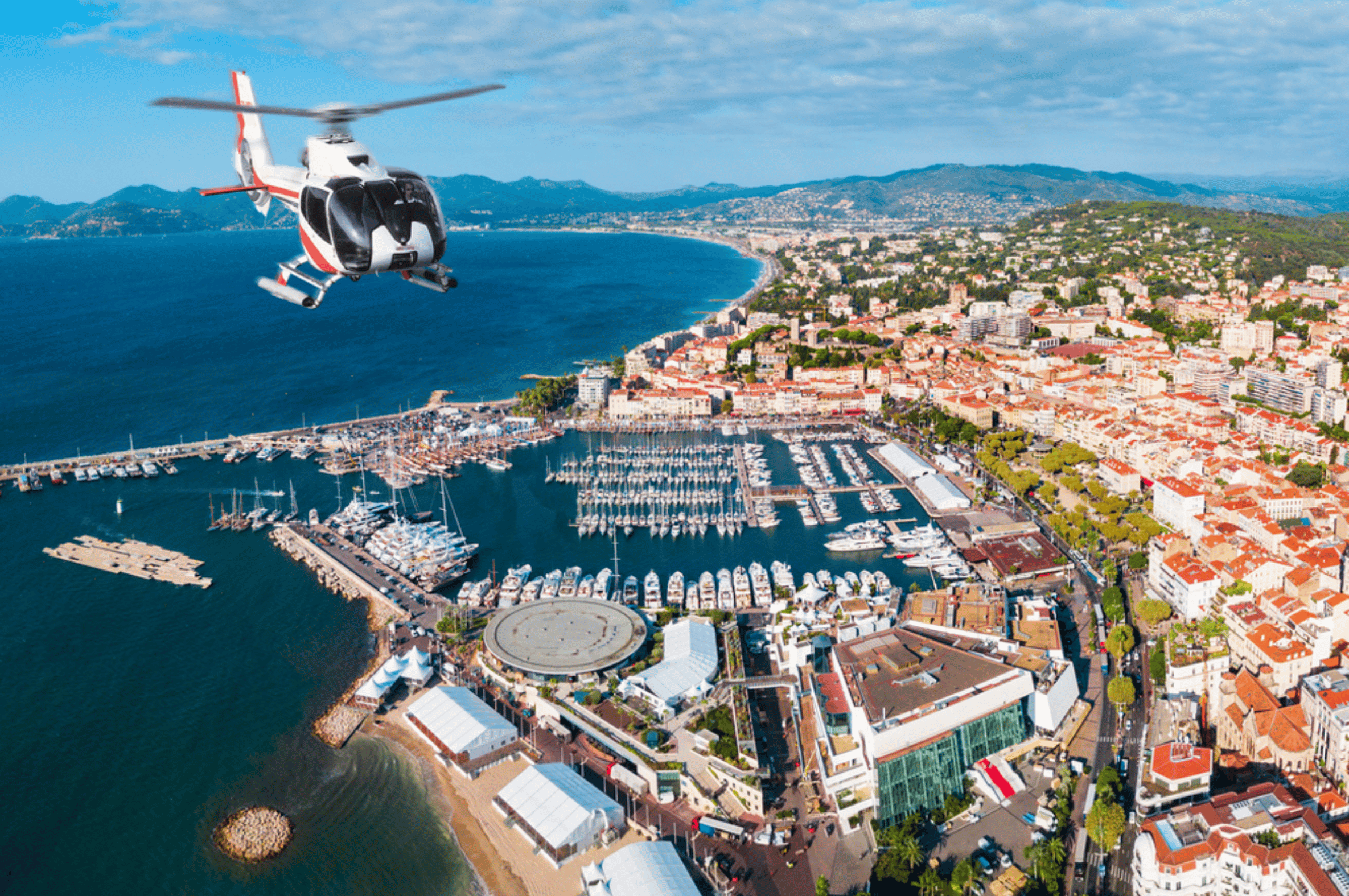
The arrival is the part people talk about afterwards. The helicopter comes in over the sea, skirting the coast to keep noise off the city, and touches down on the waterfront in Fontvieille, behind the Louis II Stadium at the western end of the principality. From the pad, Monte Carlo is closer than it looks.
Behind Louis II Stadium
Taxis and the bus wait directly outside
Stops at the heliport itself
Door-to-door to central Monte Carlo
Two options cover the onward leg: the CAM Line 6 bus, which stops at the heliport and runs between Fontvieille and Larvotto, or a taxi, which reaches the Casino Square area in about 10 minutes clear of rush hour.
Compare that with the train arrival, where the station sits underground with escalators between you and the street.
One detail matters if dinner follows the flight: smart attire gets you into Monte Carlo venues, long trousers or dark undamaged jeans, closed shoes and a collared shirt.
Casino gaming rooms bar shorts, sportswear and running shoes from 2 pm, and after 7 pm men need a jacket in the gaming salons and Michelin dining rooms.
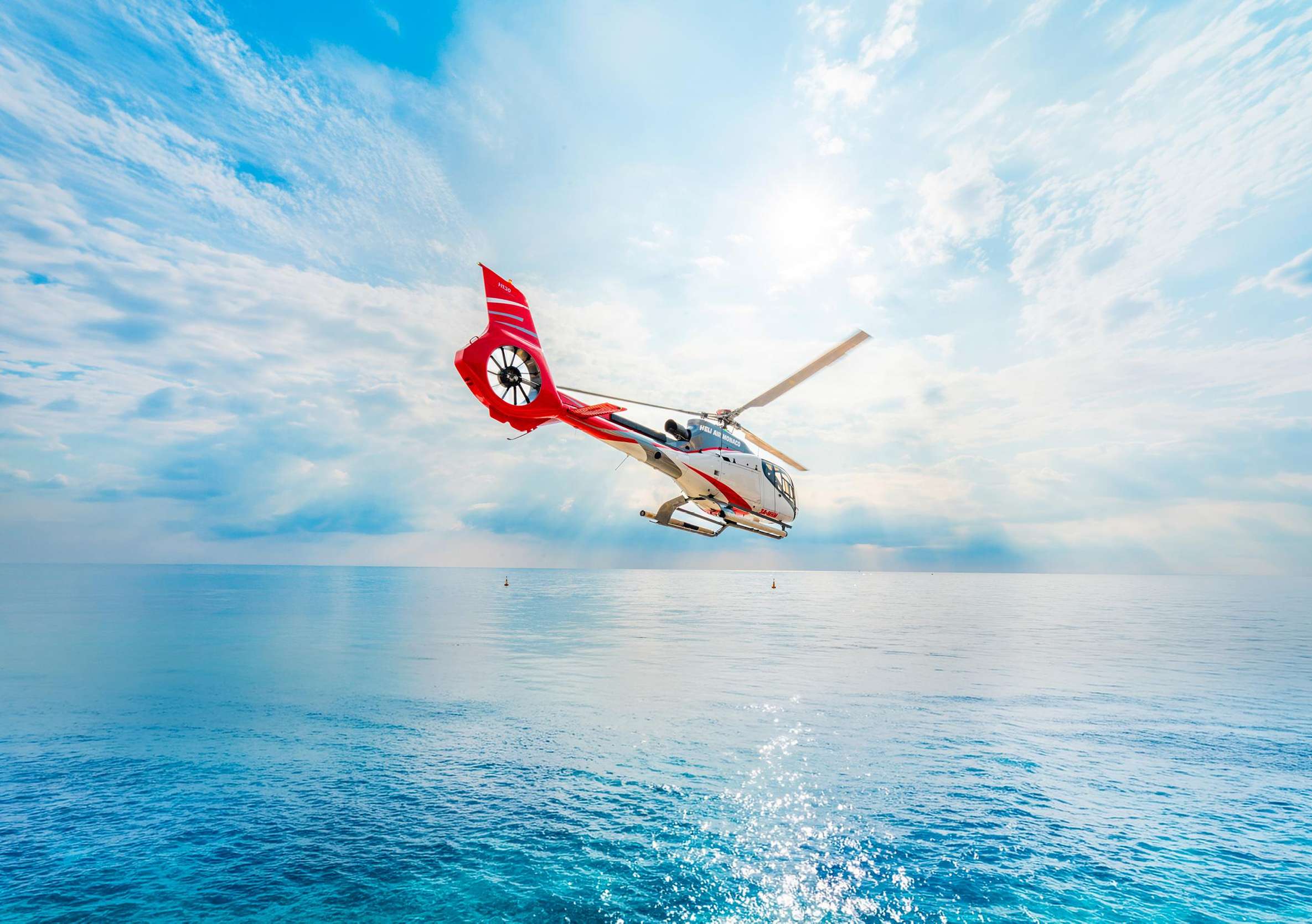
The paperwork is lighter than the route suggests. There are no customs or immigration formalities for travel from France to Monaco, in either direction, so nobody stamps anything at either end. What operators do check, at check-in and again on landing, is identity.
The rule that catches people: a driver's licence is not accepted. Every adult needs an original passport, or for European Union citizens an official photo ID card. French nationals on domestic flights can also use a residence permit or photo driving licence, but for this route, plan on the passport.
::alert A driver's licence fails at check-in; every adult needs an original passport, or an official photo ID card for EU citizens Carry the passport, not the licence
Nationality shapes the rest. EEA nationals and those of associated states enter Monaco on a passport or valid identity card.
Nationals of countries outside the EEA need a valid passport and, unless exempt, a Schengen-area visa to visit Monaco; some nationalities are exempt for stays under 90 days, and a visa for French territory covers the crossing.
Children under 13 travelling with an adult are exempt from the domestic identity verification. For everyone else, the document goes in a pocket, not in the checked bag that might travel by road.
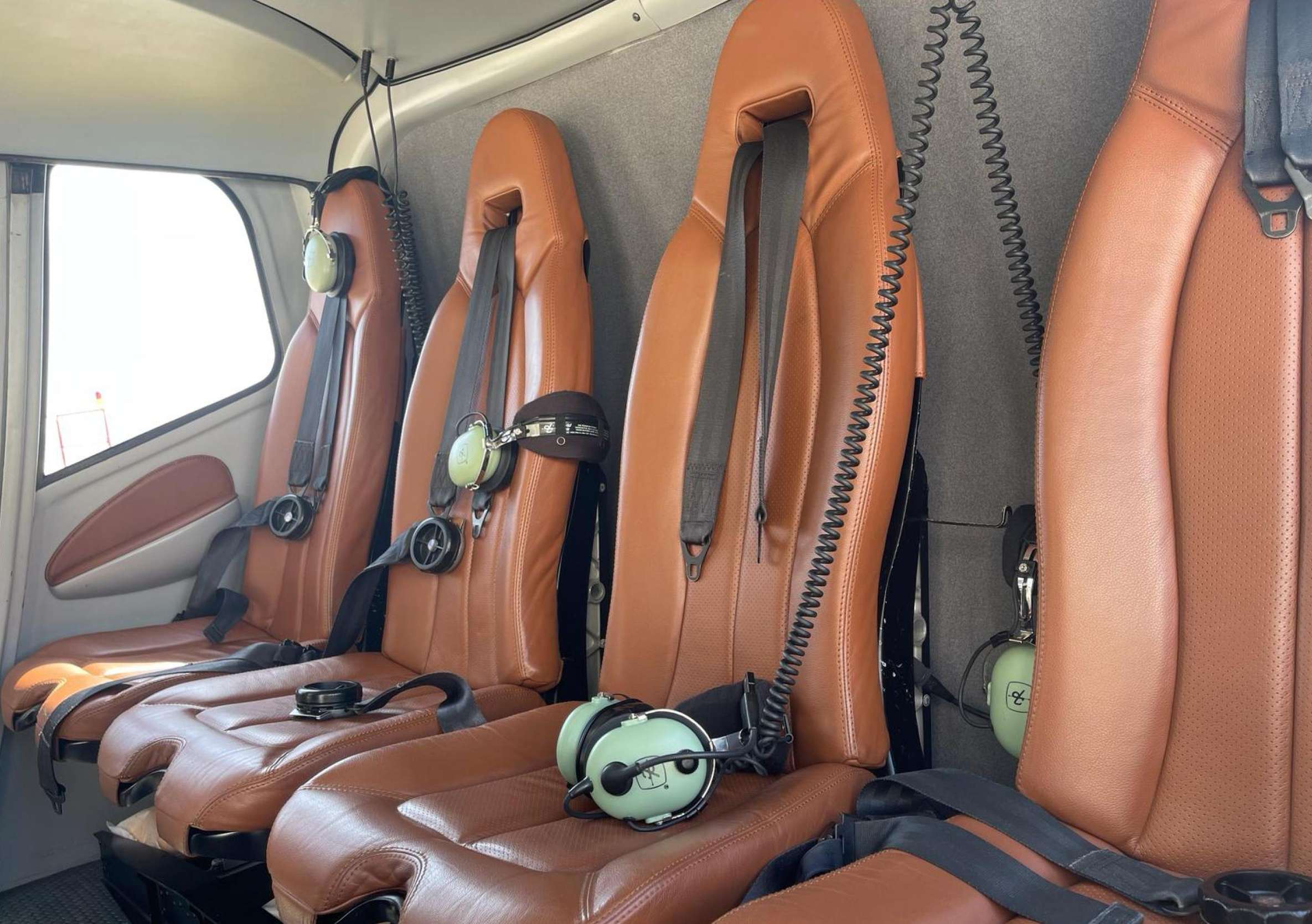
Timing decides what the flight feels like. The smoothest air with the most flattering light comes about 1 to 2 hours after local sunrise, when the atmosphere is still settled and the coast sits in soft colour.
Late afternoon brings warmer, more dramatic sea tones but bumpier air. Skip roughly 11 am to 3 pm if photographs matter; the light turns harsh.
Best balance of smoother air and soft light; target 1-2 hours after sunrise.
Harsh light is less flattering for coastal photos.
Warmer sea colours and dramatic light; air may be less smooth.
Season ranks neatly: spring and September fly smoothest, summer delivers reliable dry skies with thermals building each afternoon, and the months from mid-autumn carry the fog, low cloud and Mistral risk.
The day has a shape too, because Monaco Heliport does not permit night flights and typically operates between 7 am and 9 pm, so arrivals stop by early evening.
Two separate sets of rules govern the aircraft and the airport rather than the heliport: after sunset, charters may run only on twin-engine helicopters, and Cannes-Mandelieu closes between 8 pm and 10 pm depending on the season. Plan daylight on both ends and the curfews never touch you.
Event weeks rewrite everything. The Film Festival creates a prohibited zone over Cannes up to 1,000 feet, and the Grand Prix raises a restricted area over Monaco to 3,500 feet with permits and specific helicopter routes.
For event-week flights, pre-book 6 to 12 weeks ahead; on race days, Monaco's landing fee itself rises steeply for visiting aircraft.
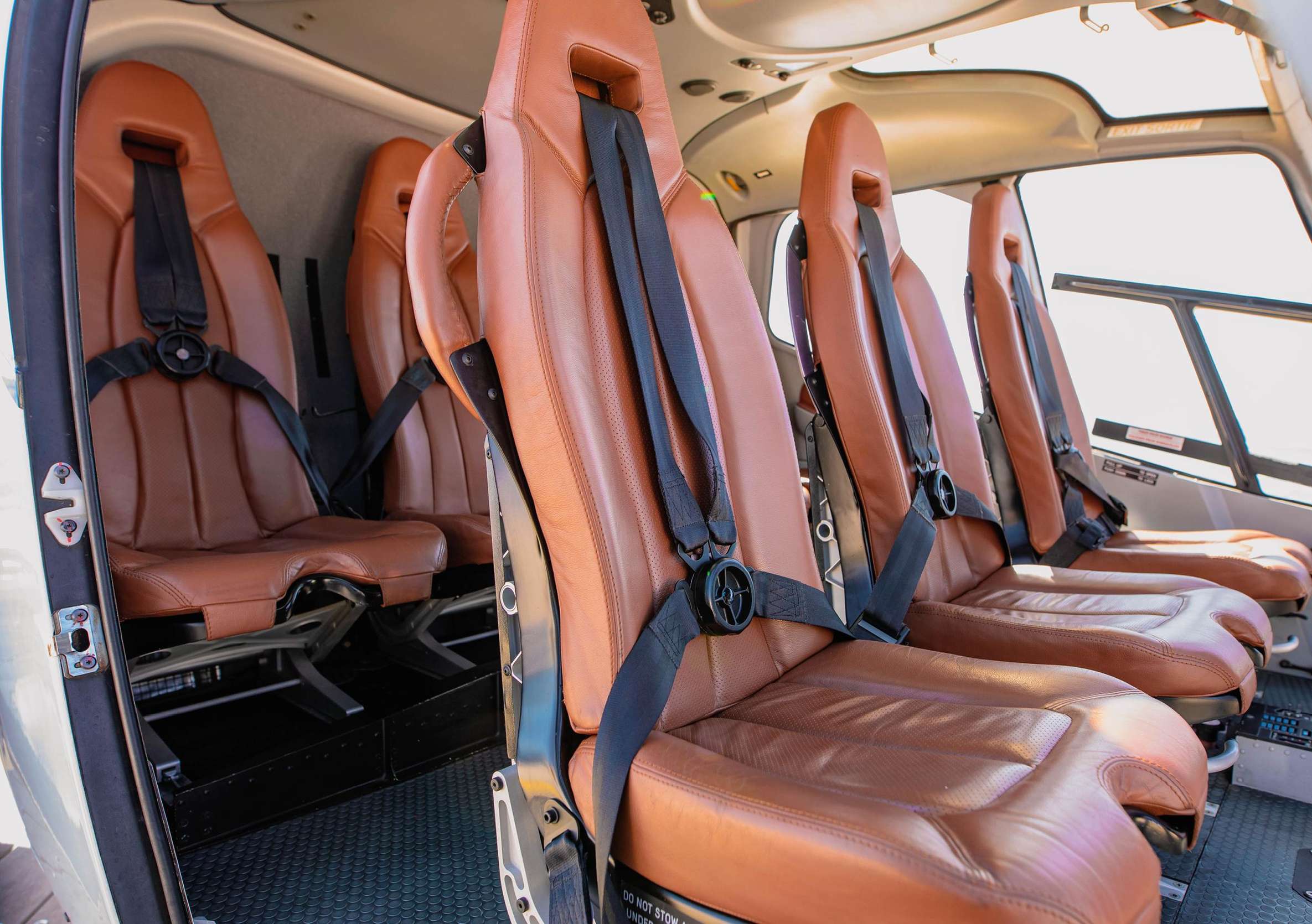
The deciding fact is structural: Cannes-Monaco helicopter flights are charters of the whole aircraft, not scheduled per-seat tickets. There is no timetable to join, so the premium buys out the aircraft, and it only pays when the seats fill: groups, time-pressured itineraries, or an occasion that justifies landing on the Fontvieille waterfront.
| Helicopter charter | TER train | |
|---|---|---|
| ::compare Who it suits best | Groups and fixed schedules | Solo and budget travellers |
| ::compare Journey time | 10 to 15 minutes in the air | About 1 hour 6 minutes |
| ::compare Luggage | One checked bag plus a handbag | Whatever you can carry through the station |
| ::compare Booking | Whole aircraft, both directions | Every 15 minutes, no reservation needed |
Solo travellers and light packers lose little by taking the train: it is direct, frequent, and delivers you underground in Monte-Carlo an hour later. Families and delegations gain the most from the air, because the price divides across the aircraft and the day gains an hour.
If the exact Cannes-Monaco charter is unavailable for your dates, the VIP Monaco one-way helicopter covers the nearest alternative: a one-way flight to Nice, Cannes or Saint-Tropez with a personalised shuttle included on the Monaco leg.
The route matters less than the reservation; book the aircraft that matches your group and the coast does the rest.
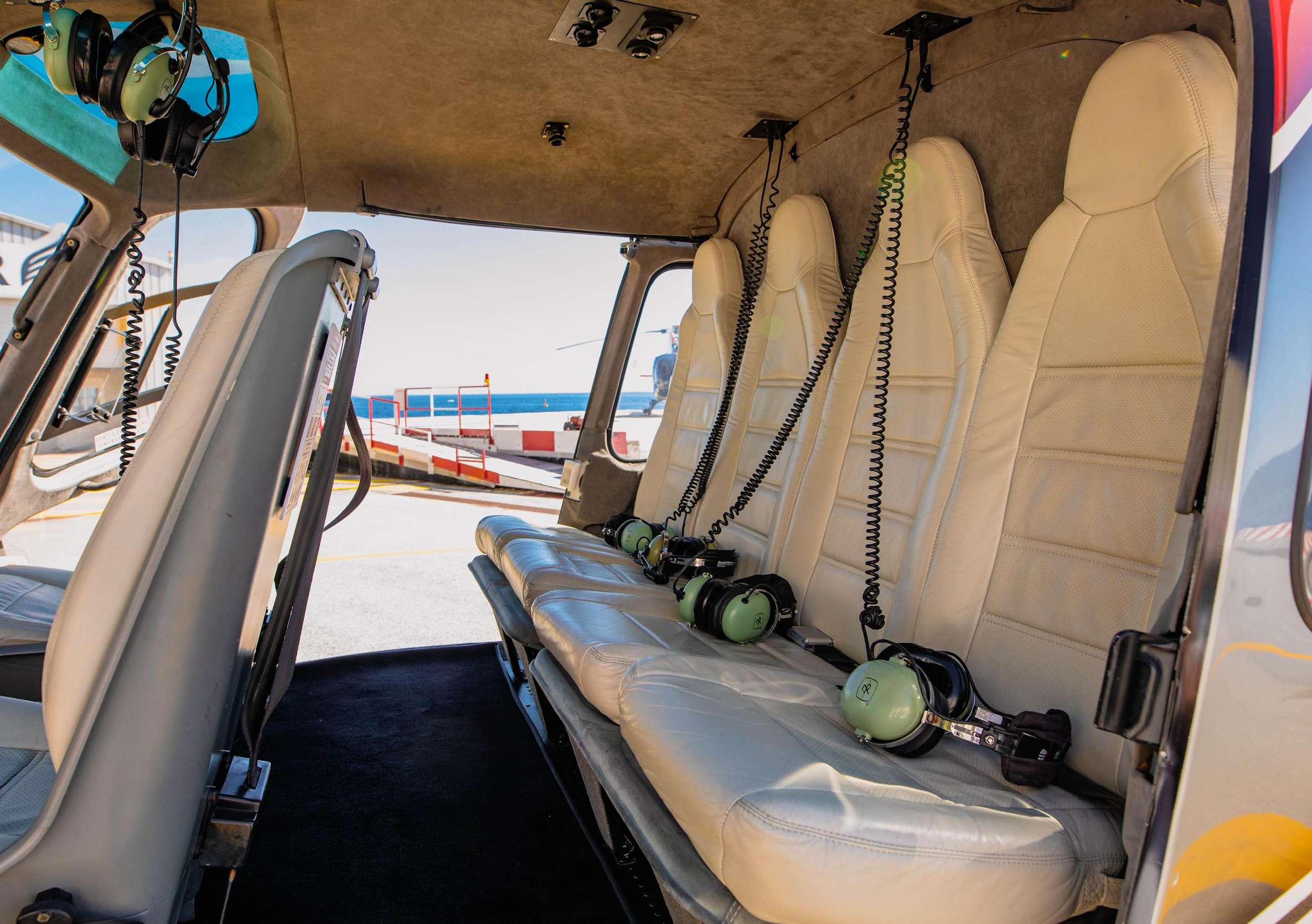
Take the helicopter when the aircraft fills: a group, a fixed arrival time, or a Grand Prix week when the roads and rails choke.
It is a whole-aircraft charter, so the value divides across the seats. Fly solo or light, take the TER train and its hour of coastal views; nothing on the route beats its frequency or price.
The direct flight takes 10 to 15 minutes across about 44 kilometres of coastline. Winds, air traffic routings and the exact departure point can shift it a little either way. By car, the A8 autoroute takes 55 to 75 minutes, and up to 1 hour 15 minutes in peak summer traffic.
Flights between Cannes and Monaco run as charters of the entire aircraft. There are no scheduled per-seat services on this route, so you book the helicopter and split the cost with whoever flies with you.
Bring a passport or, for European Union citizens, an official photo ID card; a driver's licence is not accepted at check-in. Monaco has no border controls with France, but if you are staying beyond three months, check whether your nationality needs a Schengen visa.
Transfer flights allow one standard bag of 21 to 23 kg, typically 60 × 45 × 25 cm, plus a small handbag. Anything the aircraft cannot take travels separately by road. Scenic flights take handbags only.
Children and infants are welcome on the scenic flights from Cannes to Monaco. Tell the team when booking if you travel with a child under 2, so they can organise seating. Infants may sit on an adult's lap with an infant seat belt; from age 2, a child needs their own seat.
The route passes the old town of Antibes, the Bay of Nice and the cliffs of Mont Boron, then Villefranche Bay, Saint-Jean-Cap-Ferrat and Èze's small marina before the Bay of Beaulieu. Beyond Monaco, Roquebrune-Cap-Martin and Menton stretch toward Italy.
The heliport sits on the waterfront in Fontvieille, behind Louis II Stadium. Taxis and the CAM Line 6 bus wait outside, and a taxi reaches the Casino Square area in about 10 minutes outside rush hour. Check-in takes an original identity document, so keep it handy.
Monaco Heliport does not permit night flights and works under visual flight rules, generally between 7 am and 9 pm or early evening. Book a return that lands before that window closes, or plan a late dinner after the last flight instead.
Wear flat closed-toe shoes for the helipad and cabin, and dark plain clothing if you want clear photos through the windows. Monte Carlo venues ask for long trousers, a collared shirt and closed shoes, and casino gaming rooms add a jacket rule for men after 7 pm.
The 15-minute flight replaces a 1 hour 15 minute drive in peak summer traffic, and it lands you in Fontvieille, minutes from Monte Carlo. Monaco also charges a landing fee per aircraft and a small passenger fee, which is part of the charter price you compare against the road time saved.
Yes. A 45-minute scenic flight from Cannes to Monaco follows the coastline the slow way, with time over Cap d'Antibes, Nice and the capes before Monaco, instead of a direct run.
Monte Carlo venues expect smart attire: long trousers, closed shoes and a collared shirt. Casino gaming rooms bar shorts, sportswear and running shoes from 2 pm, and after 7 pm men add a jacket for gaming salons and Michelin-starred dining.
no customs checks on this route
Every helicopter route out of Cannes in one place, with flight times and how to reach each departure point.
The Saint-Tropez route in detail: why the 15-minute flight beats a drive that can take three hours in summer.
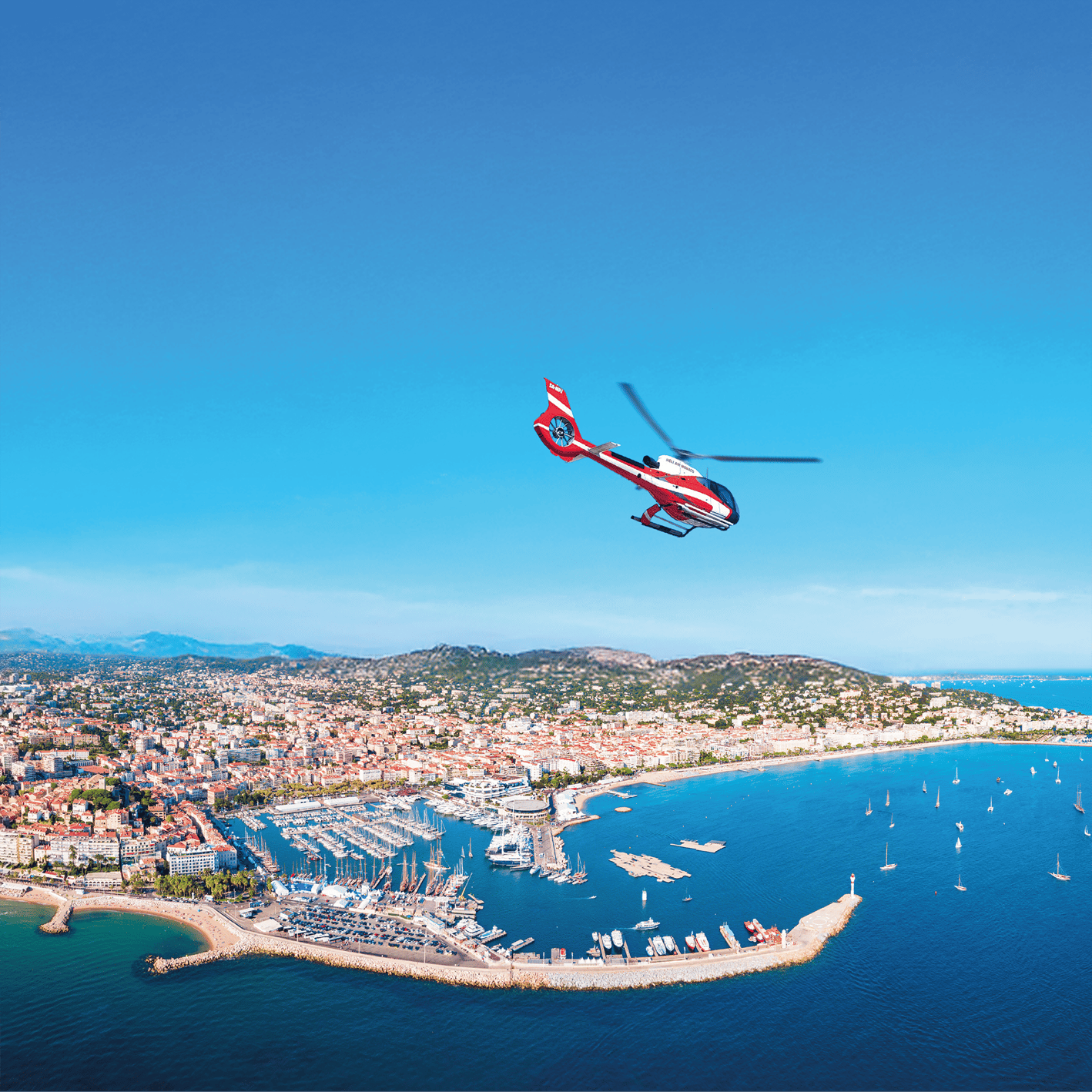
The Cannes to Nice route, including check-in at Nice Airport and the shuttle to your airline terminal.
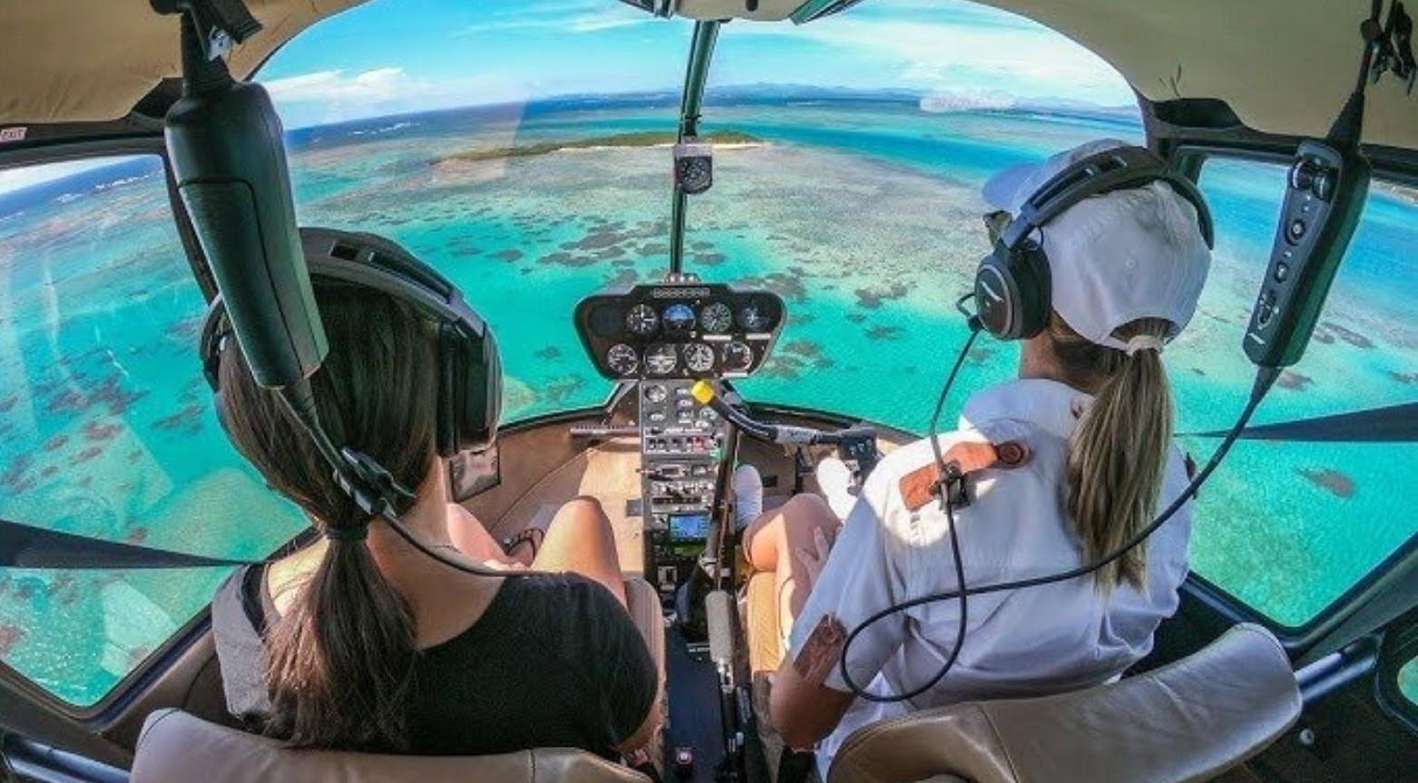
Charter options and bespoke flights, from wedding transfers to a 45-minute scenic loop over the Riviera coast.
no customs checks in either direction
Swap the coastal traffic for a 15-minute private flight, and cancel free up to 24 hours before you fly.